Start a conversation
Who we serve · Sheet 04.3Epiidosis Africa Limited · Who we serve / Importers & suppliers

“Can we fund the next shipment?”

We help importers and suppliers prepare for trade finance, choose the right instrument and close the gap between paying a supplier and collecting from customers. Banks provide the finance.
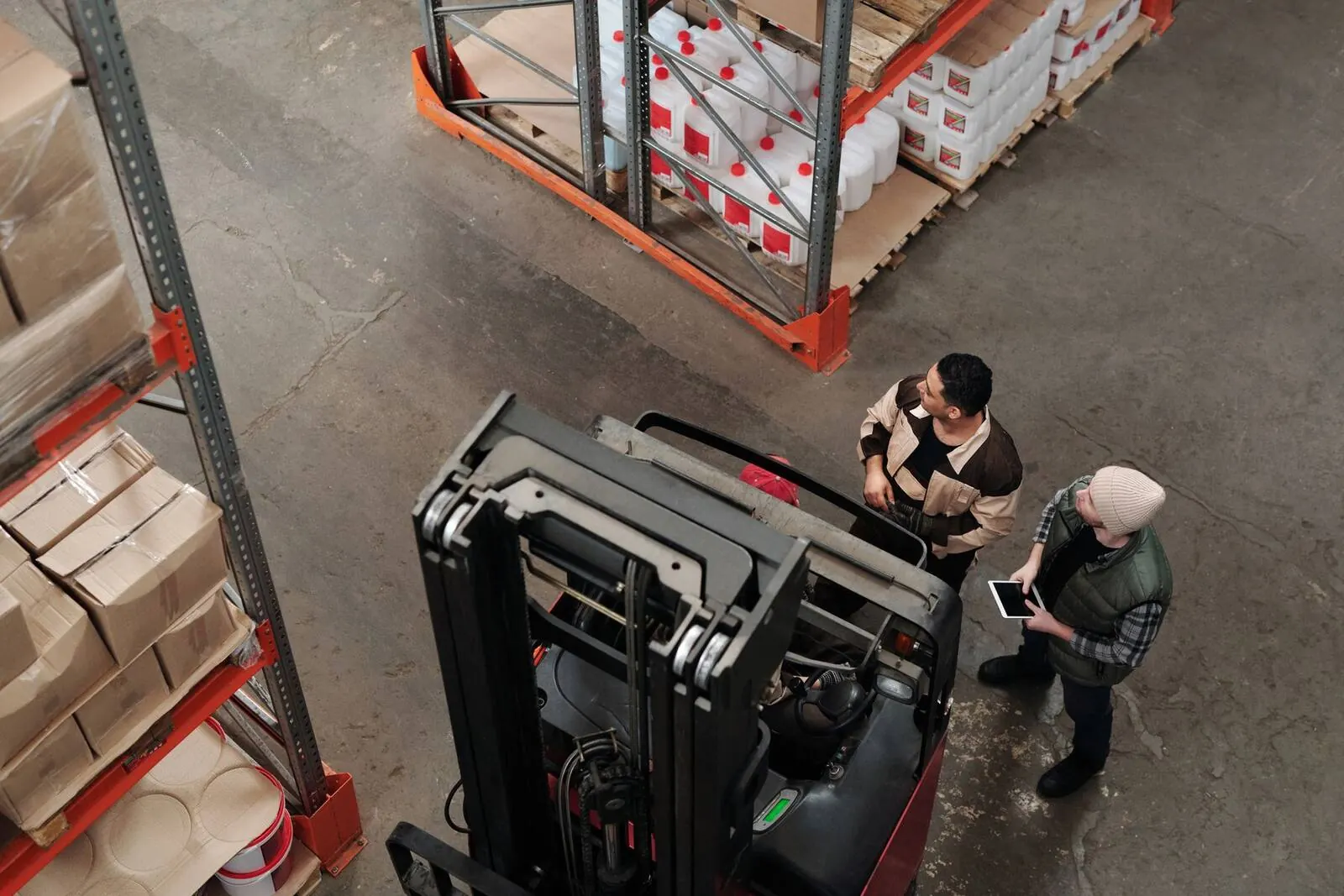

Two workers discussing logistics beside a forklift in a warehouse
Shipping containers stacked on a vessel at sea under a sunset sky
Fig. 04.3.1
Sheet 04.3.2 / ChallengesWhat we hear

Challenges we hear

Six we often hear from importers & suppliers. The chip shows which practice leads.

  • C101

    Letters of credit and guarantees

    Suppliers want payment certainty. Your bank wants to understand the trade before it issues anything.

  • C201

    Working capital for stock

    Stock is paid for long before it sells, and the gap grows with every order.

  • C304

    Cargo and contract risk

    Who insures the goods, and from which point, depends on the contract and the Incoterm.

  • C401

    Slow collections

    Customers on credit terms tie up the cash the next order needs.

  • C502

    Demand and pricing

    The wrong mix or volume locks cash into stock that moves slowly.

  • C602

    New supplier and buyer checks

    A new source or a new customer brings risks that are cheaper to check first.

Sheet 04.3.3 / How we helpPractice × challenge schedule

How our four practices help

Each challenge has a lead practice. Others support where the work overlaps, under one engagement letter.

How each of our four practices helps with each challenge for importers & suppliers
Challenge01Finance & structure02Understand03Staff04Protect
C1Letters of credit and guaranteesLeads: Instrument choice and bank packNot usually involvedNot usually involvedSupports: Coverage analysis for the trade
C2Working capital for stockLeads: Working capital readinessSupports: Stock turn and demand dataNot usually involvedNot usually involved
C3Cargo and contract riskSupports: LC terms matched to the IncotermNot usually involvedSupports: Warehouse safety trainingLeads: Coverage gap review
C4Slow collectionsLeads: Receivables and invoice finance readinessSupports: Buyer and market checksNot usually involvedNot usually involved
C5Demand and pricingNot usually involvedLeads: Demand, price and competitor intelligenceNot usually involvedNot usually involved
C6New supplier and buyer checksSupports: Payment terms with new partnersLeads: Supplier and buyer researchNot usually involvedSupports: Contract cover review

LeadsSupports— Not usually involved

Sheet 04.3.4 / DrawingFig. 04.3.4

The cash-conversion cycle

Order to collection, with the points where a letter of credit, a guarantee or a review comes in.

Fig. 04.3.4 · Importers & suppliersCycle · NTSPlan · NTS
The cash-conversion cycle for an importerCash-conversion cycle drawn as a clockwise loop through five stages: 1 Order, a purchase order and terms; 2 Ship, goods and documents; 3 Clear, customs and duties; 4 Sell, stock to customers; and 5 Collect, when customers pay. Cash then returns to fund the next order. Touchpoints: at Order, a letter of credit is opened, or a payment guarantee or standby letter of credit is arranged; at Ship, documents are presented under the letter of credit and cargo cover is checked against the Incoterm; at Clear, a customs bond or guarantee where required, with duties planned in the cash flow; at Sell, demand and price intelligence and working capital for stock; at Collect, receivables or invoice finance and buyer credit checks. Inside the loop, a dimension marks the gap to fund, from paying the supplier to collecting from customers.THE GAP TO FUNDSupplier paid → customers paySUPPLIER PAIDCUSTOMERS PAYCASH RETURNS TOFUND THE NEXT ORDER01 · ORDERPurchase order and terms02 · SHIPGoods and documents03 · CLEARCustoms and duties04 · SELLStock to customers05 · COLLECTCustomers payLetter of credit openedPayment guarantee or standby LCLC documents presentedCargo cover: check the IncotermCustoms bond or guaranteeDuties in the cash planDemand andprice intelligenceWorking capitalfor stockReceivables or invoice financeBuyer and credit checksThe cash-conversion cycle for an importerCash-conversion cycle drawn as a clockwise loop through five stages: 1 Order, a purchase order and terms; 2 Ship, goods and documents; 3 Clear, customs and duties; 4 Sell, stock to customers; and 5 Collect, when customers pay. Cash then returns to fund the next order. Touchpoints: at Order, a letter of credit is opened, or a payment guarantee or standby letter of credit is arranged; at Ship, documents are presented under the letter of credit and cargo cover is checked against the Incoterm; at Clear, a customs bond or guarantee where required, with duties planned in the cash flow; at Sell, demand and price intelligence and working capital for stock; at Collect, receivables or invoice finance and buyer credit checks. Inside the loop, a dimension marks the gap to fund, from paying the supplier to collecting from customers.THE GAP TO FUND01 · ORDERPurchase order and termsLetter of credit openedPayment guarantee or standby LC02 · SHIPGoods and documentsLC documents presentedCargo cover: check the Incoterm03 · CLEARCustoms and dutiesCustoms bond or guaranteeDuties in the cash plan04 · SELLStock to customersDemand and price intelligenceWorking capital for stock05 · COLLECTCustomers payReceivables or invoice financeBuyer and credit checksCASH RETURNS UP THE LOOPTO FUND THE NEXT ORDER
Legend
  • Practice touchpoint 01–04
  • Stage 01–05
  • Cash cycle
  • Gap to fund

Illustrative only. Instruments, timing and costs depend on each trade and bank.

Sheet 04.3.5 / ProgrammeRecommended programme

Recommended programme

Recommended programme · D

Import & trade readiness

For importers and suppliers

One programme around the trade cycle: instruments, working capital, cover and market evidence, order by order.

  • 01Finance
  • 02Understand
  • 04Protect
See the programme
  1. 1Order
  2. 2Ship
  3. 3Clear
  4. 4Collect

Four phases · practices combined

Sheet 04.3.7 / InsightsBriefs, guides and checklists

Insights for importers & suppliers

All insights
Sheet 04.3.8 / Next stepContact